
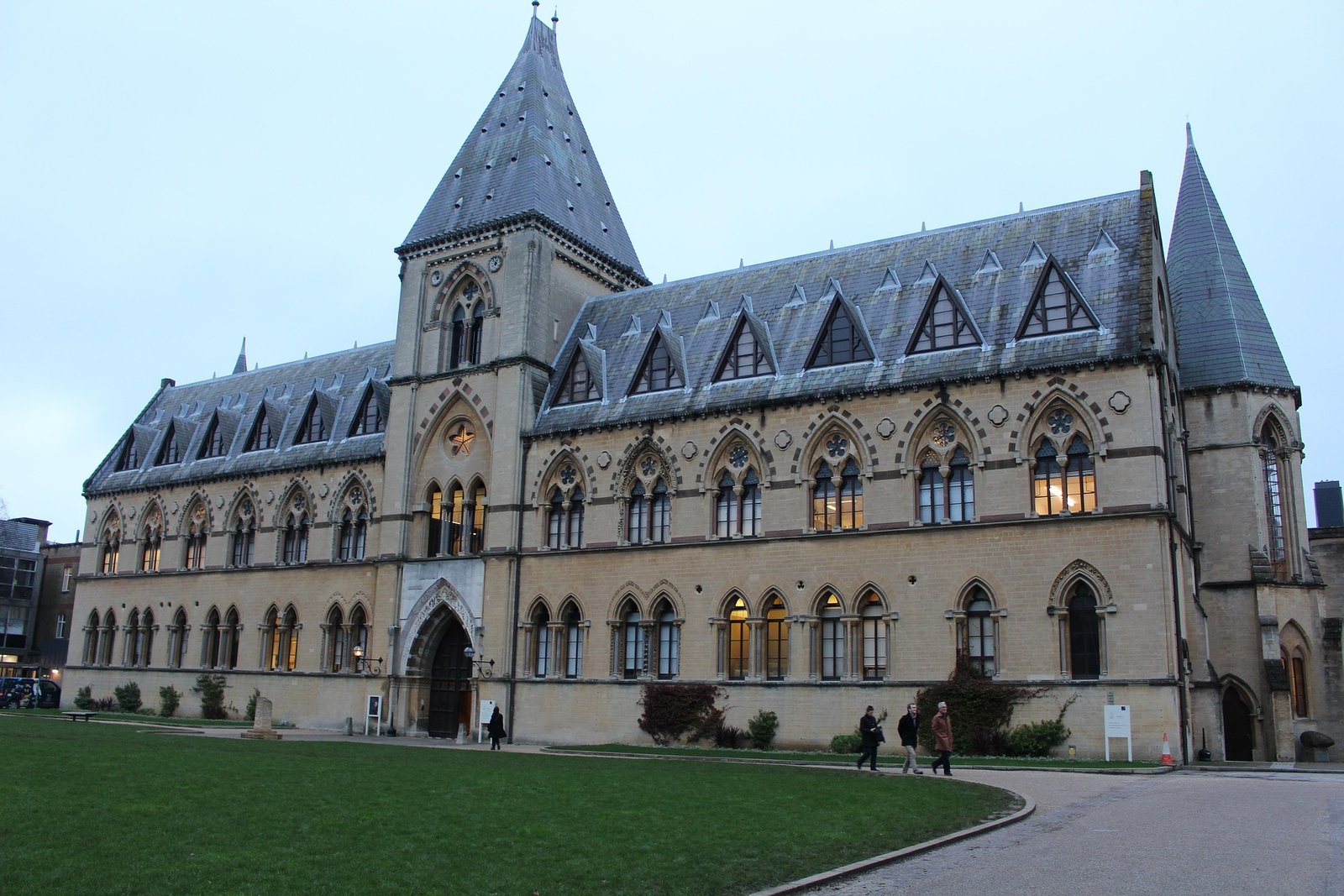
Introduction to UK Architectural Heritage
The architectural heritage of the United Kingdom is a captivating tapestry woven from centuries of history, culture, and artistic expression. This landscape is marked by an impressive array of styles and innovations that reflect the evolution of society, technology, and design philosophies. From the Romanesque grandeur of medieval cathedrals to the sleek modernism of contemporary structures, the UK’s architectural narrative is rich and diverse.
As one traverses through historic cities like London, Bath, Edinburgh, and York, the distinctive architectural characteristics become apparent. The Gothic spires of cathedrals stand as testaments to the religious devotion of their time, while Georgian terraces showcase the elegance of 18th-century design. Moreover, the Industrial Revolution ushered in a new era, giving rise to Victorian architecture, which is celebrated for its intricate details and functional designs.
In addition to these well-documented styles, regional variations contribute to the depth of the UK’s architectural heritage. For example, the half-timbered buildings of Tudor England possess a charm that venerates its historical significance, while the functional simplicity of post-war architecture reveals the social shifts of the mid-20th century. Each city carries its own identity, narrating unique stories through the monuments, public spaces, and residential areas that have withstood the test of time.
Architectural lovers and historians will find that the UK not only offers stunning visual experiences but also represents an ongoing dialogue between the past and the present. This rich architectural landscape prompts exploration and appreciation, offering glimpses into the philosophies that shaped the society throughout the ages. Such inquiry inspires a deeper understanding of the forces that continue to mold the built environment seen across the UK today.
London: A Melting Pot of Architectural Styles
London stands as a testament to architectural innovation, displaying an eclectic mix of styles that reflect its rich historical tapestry. The city’s skyline is a visual representation of its evolution, with structures ranging from the opulent Buckingham Palace to the contemporary silhouette of The Shard. The grandeur of Buckingham Palace, a symbol of British royalty, showcases the neoclassical architectural style that flourished in the 19th century, featuring majestic columns and grand staircases that evoke a sense of timeless elegance.
In stark contrast, the Houses of Parliament, with its Gothic revival architecture, encapsulates the grandeur of the Victorian era. The intricate details and iconic clock tower, known as Big Ben, exemplify the period’s dedication to elaborate design and craftsmanship. This hallmark of London’s architectural landscape has not only become synonymous with the city but also serves as a hub for political activity within the United Kingdom.
As London evolved, so too did its architectural styles. The 20th century brought an array of modern structures, with The Shard leading the charge. Designed by architect Renzo Piano, this glass-clad skyscraper rises gracefully above the skyline, representing the city’s embrace of innovative design and sustainable architecture. The juxtaposition of traditional and contemporary buildings epitomizes London’s status as a melting pot of cultures and eras.
The inclusion of international architectural influences further enriches London’s structural diversity. From the vibrant influence of the Roaring Twenties with Art Deco masterpieces to the numerous skyscrapers that dot the financial district, London’s architecture tells a story of resilience and adaptation. As the city continues to grow and change, it remains a beacon of architectural diversity, inviting visitors and inhabitants alike to explore its multifaceted beauty.
Bath: Roman and Georgian Elegance
Bath, a city renowned for its remarkable architectural heritage, presents a unique blend of Roman and Georgian influences that have earned it UNESCO World Heritage status. The city’s rich history is encapsulated in its stunning structures, particularly the iconic Roman Baths and impressive Georgian crescents. These architectural wonders attract visitors from around the globe, offering not only a glimpse into England’s past but also an understanding of the lifestyles that once thrived within these walls.
The Roman Baths, a centerpiece of Bath, are an extraordinary testament to the engineering prowess of ancient Rome. Built around the natural hot springs, these baths have been meticulously preserved, showcasing the grandeur and sophistication of Roman society. Visitors can explore the sacred areas, including the Great Bath, which features an expansive rectangular pool surrounded by stunning Roman architecture. The complex also houses various artifacts that illuminate daily life in ancient times, thereby enriching the understanding of Bath’s historical significance.
Equally captivating are Bath’s Georgian crescents, which exemplify the elegance and charm of this architectural period. The Royal Crescent and The Circus, two of the most recognizable examples, feature a harmonious blend of terraced houses that reflect classical design principles. These structures are characterized by their uniformity and grace, embodying the ideals of order and beauty that defined Georgian architecture. Walking through these crescents allows one to appreciate the meticulous attention to detail and the vision of planners and architects who shaped Bath’s urban landscape.
Bath’s architectural resources not only highlight its rich historical tapestry but also illustrate the evolution of design over centuries. The city’s careful preservation of both Roman and Georgian structures not only provides valuable insights into architectural trends but also serves as a testament to its cultural heritage. Visitors to Bath will find that its architectural wonders continue to inspire and captivate, making the city an exceptional destination for those intrigued by history and design.
Edinburgh: The Capital of Scotland’s Architectural Legacy
Edinburgh, the capital city of Scotland, is renowned for its striking skyline, which is a harmonious blend of medieval and neoclassical architectural styles. The city’s layout, characterized by its historic Old Town and elegant New Town, offers an exceptional representation of Britain’s architectural heritage. This unique juxtaposition showcases Edinburgh’s role as a cultural and political hub throughout the centuries. The Old Town, with its narrow alleys and towering stone buildings, is a testament to Scotland’s medieval past, while the New Town, built in the 18th century, reflects the ideals of the Enlightenment and the desire for classical elegance.
Central to Edinburgh’s skyline is the formidable Edinburgh Castle, perched atop Castle Rock. This historic fortress has played a crucial role in Scotland’s history and is one of the most important landmarks in the country. Visitors to the castle can explore its various buildings, including the Crown Jewels and the Stone of Destiny, as well as enjoy panoramic views of the city from its ramparts. Another significant icon is the Scottish Parliament Building, known for its contemporary architectural design. The parliament’s unique form and use of natural materials symbolize Scotland’s cultural identity and its commitment to governance reflecting the aspirations of its people.
As you wander through the city, the architecture not only captures the eye but also narrates the stories of Edinburgh’s rich history. Each structure stands as a monument to the city’s evolution, illustrating its journey through various political and cultural movements. From the medieval defensive structures to the elegant Georgian terraces of the New Town, Edinburgh’s architecture is not just about aesthetics; it embodies the spirit of the Scottish nation. The city’s architectural landscape thus serves as an enduring reminder of its past and a dynamic element of its present and future.
York: A Journey Through Time with Medieval Architecture
York is a city steeped in history, renowned for its remarkable medieval architecture that speaks volumes about its past. Established as a Roman fortress, the city has evolved through the centuries, leaving behind a myriad of historical structures that reflect its diverse influences. Among these, York Minster stands as a true testament to the medieval craftsmanship that flourished in the region. This magnificent Gothic cathedral, with its stunning stained glass windows and intricate stone carvings, attracts architecture enthusiasts and tourists alike, serving as a focal point of the city’s skyline.
The construction of York Minster began in the 13th century and continued over the next century, resulting in a structure that embodies the pinnacle of Gothic architecture. It showcases an array of stylistic elements such as pointed arches, ribbed vaults, and flying buttresses, all harmoniously combining to create an awe-inspiring visual experience. The cathedral not only serves as a place of worship but also stands as a monument to the city’s religious significance throughout history. As you explore its grandeur, you may be drawn to the fascinating stories behind each architectural detail, reflecting the rich tapestry of York’s past.
Alongside York Minster, the city’s charming medieval streets, such as the Shambles, offer a journey through time, lined with timber-framed buildings that date back to the 14th century. These narrow, cobblestone lanes encourage visitors to wander, each twist and turn revealing remnants of the past that hint at York’s vibrant commercial history. The blend of architecture tells a story of resilience and adaptation through plagues, fires, and urban development. In exploring York’s historical landscape, one gains profound insight into the architectural heritage that continues to captivate the imaginations of all who walk its historic streets.
Oxford: A Sanctuary of Academic Architecture
Oxford, often referred to as the “City of Dreaming Spires,” is a testament to the rich tapestry of architectural styles that have evolved over centuries within its bounds. As the home to one of the oldest universities in the world, Oxford boasts a plethora of historic college buildings, libraries, and museums, each a unique representation of the city’s academic heritage. The skyline is adorned with stunning spires and domes that reflect the city’s commitment to education and intellectual pursuit.
Among the most visually captivating structures is the Radcliffe Camera, constructed between 1737 and 1749. This circular reading room, part of the Bodleian Library, is an iconic symbol of Oxford’s scholarly atmosphere. Its Neoclassical design, complete with a grand dome and intricate detailing, invites students and visitors alike to explore the wealth of knowledge housed within. The Radcliffe Camera is not just an architectural marvel; it represents the core values of learning and accessibility that the University of Oxford strives to uphold.
Not far from the Radcliffe Camera is the Bodleian Library, one of the oldest libraries in Europe and an exceptional example of Gothic architecture. Established in 1602, it contains over 13 million printed items and is a vital resource for scholars. The intricate stone carvings and the impressive Divinity School highlight the artistic skill of the craftsmen of the era. In addition to its academic role, the Bodleian serves as a cultural hub, hosting exhibitions and events that engage the local and academic communities.
Furthermore, each college at Oxford has its own unique architectural flair, contributing to the city’s aesthetic diversity. The blend of medieval, Renaissance, and modern architectural influences creates a harmonious environment that fosters creativity and scholarship. In Oxford, one experiences not merely the buildings but a living history of academic achievement that continues to inspire generations of students and visitors from around the world.
Cambridge: The Quintessential University Style
Cambridge is renowned not only for its prestigious university but also for its remarkable architecture that intertwines academic pursuit with aesthetic beauty. The city showcases a unique blend of medieval and modern architectural styles, epitomized by its iconic colleges and historical buildings. One of the crown jewels of this city is King’s College Chapel, a stunning example of Gothic architecture. With its towering stained-glass windows, intricate stonework, and soaring fan vaults, the chapel symbolizes the rich cultural and intellectual heritage of Cambridge.
The architectural landscape of Cambridge is further enhanced by its various college buildings that reflect different periods in history. Structures like St John’s College, with its impressive Great Gateway, evoke a sense of grandeur with their careful attention to detail and symmetry. Each college, from Trinity to Christ’s College, possesses its own distinct character, contributing to the overall academic ambiance that permeates the city.
Moreover, the picturesque bridges of Cambridge, such as the famed Mathematical Bridge and the charming Bridge of Sighs, add to the serene beauty of the landscape. These bridges, often designed as functional art, serve as vital connections between the historic colleges and their respective gardens or courtyards. The lush green spaces that accompany these structures allow for educational reflection and communal gathering, blending nature with the pursuits of knowledge.
In this city of scholarly beauty, the architectural features go beyond mere aesthetics, embodying the very essence of learning and inquiry that is fostered within its walls. The design and layout of the buildings not only reflect centuries of educational tradition but also provide a nurturing environment that continues to inspire students and visitors alike.
Liverpool: The Blend of Maritime and Contemporary Architecture
Liverpool, a city steeped in rich maritime history, boasts a diverse architectural landscape that reflects its significant past and vibrant present. As a UNESCO World Heritage Site, Liverpool’s architecture is a testament to its historical role as a major port and industrial hub. The blend of historic docks and warehouses with modern developments illustrates the city’s evolution and ongoing relevance in contemporary architecture.
The city’s waterfront is adorned with iconic structures such as the Royal Albert Dock, which is a prime example of the city’s maritime heritage. This collection of warehouses, built in the 19th century, not only served as critical trade and storage locations but also exemplifies the design principles of the era, characterized by impressive brickwork and cast iron architecture. Today, these historic buildings have been revitalized, housing restaurants, art galleries, and shops, showcasing how Liverpool ingeniously merges its rich past with modern usage. The preservation of these structures is essential in narrating the story of the city’s industrial wealth and cultural significance.
In stark contrast to the historical waterfront, the modern Liverpool One development showcases contemporary architectural techniques and design. This integrated retail complex, featuring a range of shops, entertainment venues, and public spaces, symbolizes Liverpool’s transformation into a vibrant urban center. The seamless blend of old and new in the architectural space of Liverpool reflects the city’s commitment to innovation while honoring its historical context. The juxtaposition of the maritime structures with modern architecture invites both residents and visitors to appreciate the narrative woven through the city’s skyline, marking Liverpool as a benchmark for architectural diversity and historical preservation.
Conclusion: The Architectural Journey through the UK
The United Kingdom is a treasure trove of architectural marvels, each city telling its own unique story through its buildings and structures. From the monumental designs of London, with its modern skyscrapers juxtaposed against historic landmarks, to the medieval charm of York and the Georgian elegance of Bath, the diverse architectural influences reflect a rich tapestry of history. Each city embodies the essence of different eras, illustrating how architecture has evolved over centuries, adapting to sociopolitical changes and cultural movements.
Exploring the architectural wonders of these historic UK cities fosters an appreciation not only for the aesthetic qualities of the structures but also for the historical narratives they encapsulate. The influenced styles evident in cities like Edinburgh, where the medieval Old Town meets the neoclassical New Town, demonstrate a harmony between past and present. This architectural journey encourages a deeper understanding of how design mirrors the lives and aspirations of the people who inhabited these spaces.
Moreover, engaging with the local architecture can evoke a personal connection, where visitors may find inspiration in the intricacies of a gothic cathedral or the symmetry of a classical façade. Such experiences enhance the value of travel; rather than merely observing, individuals can immerse themselves in the stories that shaped these environments. As you plan your exploration of the architectural wonders in the UK, consider that each city offers a distinctive character, inviting you to discover its architectural heritage and the stories that lie within.
Therefore, it is highly encouraged to visit these historic cities in person. By walking through the streets and engaging with the structures that have stood the test of time, one can truly appreciate the architectural diversity that underscores the richness of the UK’s historical narrative.
No responses yet